Sonic electric toothbrush vs manual: Is it time to switch to sonic?
By Philips
13/05/2026
4-6 min. read

Are electric toothbrushes better? With more than half of the British public switching from manual to electric brushing, it seems like the obvious choice.¹ But if you’ve been using a manual toothbrush all your life, making the leap to a sonic electric toothbrush can be daunting.
To help you weigh up your options and take better control of your dental hygiene, we’ve put together a handy guide to which toothbrush is better: sonic or manual, and what you should know about making the switch.
At a glance
- Electric toothbrush vs manual: What stays the same?
- Electric vs manual toothbrush: Is an electric toothbrush better?
- How does an electric toothbrush clean better?
- Are electric toothbrushes better for everyone?
- FAQs: Electric toothbrush vs manual toothbrush
Electric toothbrush vs manual: What stays the same?
Making the switch to a sonic electric toothbrush doesn’t have to change your entire dental routine. You’ll want to keep up with your core brushing habits, like:
- Brushing twice a day
- Flossing
- Using fluoride toothpaste
The core thing that’ll change is your toothbrush, so you can stick to all your dental hygiene favourites and your trusted oral care routine.
Electric vs manual toothbrush: Is an electric toothbrush better?
The advantages of electric toothbrushes make them a better choice for many. Using high-frequency vibrations and quick oscillations, they can remove more plaque than manual toothbrushes, including in hard-to-reach areas, if used correctly.² This helps enable more effective cleaning and plaque removal.
Another perk of sonic electric toothbrushes is that you don’t need to manually scrub. Those oscillations we just mentioned do a lot of the work for you; you can simply guide the brush along each tooth and let the bristles clean effectively. It’s a gentler approach that reduces overbrushing while still prioritising oral hygiene.
If you’re wondering, ‘Is an electric toothbrush better than a manual?’, studies repeatedly show that they can be more effective at cleaning your teeth, when used correctly.³ From gingivitis (gum disease) to plaque, switching to a sonic electric toothbrush is the clear choice for many.
How does an electric toothbrush clean better?
Effective brushing is about more than just your toothbrush, but also your technique. A smart sonic toothbrush guides your brushing, allowing you to achieve superior cleaning without risking enamel damage.
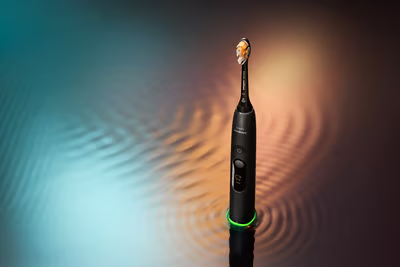
The Philips Sonicare Next-Generation DiamondClean 9900 Prestige and its smart coverage feedback guides you in real-time so you never miss a spot and apply the right amount of pressure. This effective toothbrush removes up ot 20x more plaque* and gives you 15x healthier gums**.
Are electric toothbrushes better for everyone?
With increased plaque removal and easier brushing, electric toothbrushes are better for most people. Let’s take a closer look at who’ll benefit from the advantages of an electric toothbrush:
- People with increased sensitivity: Around 30% of adults have dentin hypersensitivity, which is caused by worn-down enamel.⁴ A sonic toothbrush can protect your sensitive teeth by ensuring you don’t brush too hard while still effectively removing plaque.
- People with gum concerns: Many gum issues (including receding gums and inflammation) are caused by plaque build-up. Electric sonic toothbrushes can remove plaque along the gum line more efficiently, leading to an 11% reduction of gingivitis after just 3 months of use.⁵
- People who struggle with technique: Sonic toothbrushes do a lot of the cleaning work. With high-frequency vibrations and gentle oscillations, they can gently remove plaque without requiring manual scrubbing, all while improving your technique through built-in guidance tools.
If you struggle with specific dental concerns and are unsure about whether making this switch is right for you, speak to your dentist about an electric toothbrush vs a regular toothbrush.
FAQs: Electric toothbrush vs manual toothbrush
What are the advantages of a manual toothbrush vs electric?
Manual toothbrushes are often cheaper than electric toothbrushes and are particularly handy for travel due to their lightweight and compact design. They also allow you to control the speed, pressure, and motion yourself, which some people may prefer. However, manual brushes don’t offer the same level of cleaning as electric models. Electric toothbrushes are known to remove more plaque and reduce cases of gum disease when compared to manual brushes, all while guiding users towards better brushing with built-in sensors.
Is an electric toothbrush better than manual?
For most people, yes, an electric toothbrush is better than a manual toothbrush. With gentler brushing and a more efficient clean, they’re excellent for people with sensitive teeth, gum issues, and those who don’t feel confident about their brushing technique.
What are the advantages of an electric toothbrush?
Electric toothbrushes can help remove more plaque than manual brushing thanks to their rapid oscillating or sonic movements. Many models, such as the Philips Sonicare Next-Generation DiamondClean 9000, include multiple brushing modes, allowing you to adjust the intensity and sensitivity to suit your oral care needs.
This model also offers smart pressure feedback, guiding you in real time and providing post-brush insights, so you can improve your technique next time you brush. For many people, these features make it easier to maintain a consistent and effective oral hygiene routine.
Are electric toothbrushes better than manual? Whether you’re looking for more efficient plaque removal or an easier clean in hard-to-reach areas, the answer is a resounding yes. Just make sure to invest in a trusted sonic toothbrush to elevate your oral hygiene.
Looking for more guidance on dental care? Read our tips on brushing sensitive teeth and create a routine that works for you.
* vs. manual toothbrush
** in Clean mode vs a manual toothbrush in 6 weeks
Sources:
¹ Adult Oral Health Survey 2021: Health-Related Behaviours, Gov.uk
² Electric vs Manual Toothbrushes (Plaque and Gingivitis Control), Oral Health Foundation
³ Efficacy of an Electric Toothbrush on Plaque Control Compared to Two Manual Toothbrushes, NIH
⁴ Epidemiology of Dentin Hypersensitivity, NIH
⁵ Powered/Electric Toothbrushes Compared to Manual Toothbrushes for Maintaining Oral Health, Cochrane
Recommended products
- HX9813/98
- Smart coverage feedback
- SenseIQ Adaptive Intensity
- 20 x more plaque removal*
- Up to 15 x healthier gums**
- Next-Gen Sonicare Technology
- HX9813/91
- Smart coverage feedback
- SenseIQ Adaptive Intensity
- 20 x more plaque removal*
- Up to 15 x healthier gums**
- Next-Gen Sonicare Technology
- HX9216/89
- Smart coverage feedback
- 20 x more plaque removal*
- Up to 15 x healthier gums**
- Next-Gen Sonicare Technology
- Smart pressure feedback
- HX9214/85
- Smart coverage feedback
- 20 x more plaque removal*
- Up to 15 x healthier gums**
- Next-Gen Sonicare Technology
- Smart pressure feedback


You might like
A Guide to Philips electric toothbrushes
Reading time: 5-7 min.

Gentle brushing techniques
Reading time: 5-8 min.

How long should you brush your teeth for?
Reading time: 4-6 min.

Teeth and gums hurt: Causes and treatments
Reading time: 4-6 min.

How to brush sensitive teeth
Reading time: 4-6 min.

What happens when you overbrush your teeth?
Reading time: 5-7 min.


