How to brush sensitive teeth: Gentle practices that protect your teeth
By Philips
08/05/2026
4-6 min. read

Brushing your teeth should leave your mouth feeling clean and refreshed. Some people, however, may find that their teeth hurt when brushing, or experience sharp discomfort during their daily oral care routine. When this happens regularly, it can make brushing feel like an unpleasant task that you’d prefer to avoid rather than a simple part of good oral care.
Many people experience some degree of tooth sensitivity when brushing, particularly if enamel has worn down or gums have receded slightly.1 If brushing teeth hurts, it often signals that your teeth need gentler care rather than less brushing.
The good news is that small changes in technique, tools, and daily oral care habits can make a noticeable difference.
At a glance
- Why sensitive teeth brushing can cause discomfort
- Choosing the right tools for sensitive teeth
- How to brush sensitive teeth properly
- Practical tips for caring for sensitive teeth
- When to seek professional advice
- FAQs: Sensitive teeth brushing
Why sensitive teeth brushing can cause discomfort
Tooth sensitivity usually occurs when the protective enamel layer becomes thinner or when gums recede slightly, exposing the dentine underneath.1 Dentine contains microscopic channels that connect to the nerve of the tooth, which is why sensitivity when brushing can feel sudden and sharp.2
Several common factors can contribute to tooth sensitivity when brushing, including12:
- Brushing too aggressively
- Using a toothbrush with very firm bristles
- Acidic foods and drinks gradually weakening enamel
- Gum recession exposing more of the tooth surface
When these factors combine, people sometimes reach a point where their teeth are too sensitive to brush comfortably. Skipping brushing might feel tempting, but maintaining good oral hygiene remains essential.
If you are unsure about the cause of your sensitivity, you can learn more about common triggers in our guide.
Choosing the right tools for sensitive teeth
The tools you use can make a significant difference when brushing sensitive teeth. A toothbrush that applies too much pressure or uses stiff bristles may worsen discomfort so it can help to choose one designed for gentle, controlled cleaning.2
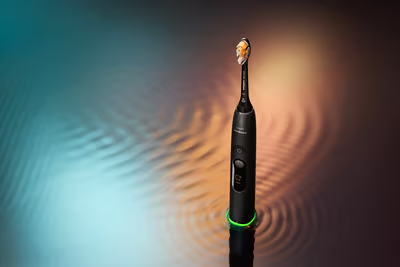
Electric toothbrushes with pressure feedback and adjustable intensity settings can be particularly useful, as they help you clean effectively without relying on heavy pressure. For example, the Philips Next-Generation DiamondClean 9900 Prestige uses SenseIQ adaptive intensity, which automatically adapts the brushing intensity if you press too hard. It also provides smart pressure feedback, helping guide you towards a gentler brushing technique in real time.
For those choosing between brushes, it may help to look for features such as:
- Pressure feedback to alert you when you are brushing too hard
- Adjustable intensity levels to make brushing feel more comfortable
- Gentle cleaning modes that still support effective plaque removal
- App or post-brushing feedback to help improve your technique over time
Another option is the Philips Next-Generation DiamondClean 8500, which also offers smart pressure feedback and adjustable brushing settings. This can help support sensitive teeth brushing without the need for excessive pressure.
Choosing a toothbrush with gentle cleaning modes, pressure feedback and intensity control can make brushing feel more comfortable for those whose teeth are too sensitive to brush using traditional methods.
How to brush sensitive teeth properly
If brushing teeth hurts, adjusting your technique can often make brushing much more comfortable. The goal is to clean thoroughly without applying unnecessary pressure.
Here is a simple guide showing how to brush sensitive teeth properly3:
- Hold the toothbrush at a 45-degree angle: Position the brush so it gently reaches the gumline without pushing into it.
- Use light pressure: Let the brush do the work. Pressing harder does not clean better and may worsen tooth sensitivity when brushing.
- Brush for two minutes: Divide your mouth into four sections and spend around thirty seconds on each quadrant.
- Choose toothpaste designed for sensitivity: Desensitising toothpaste can help block nerve signals and reduce discomfort over time.
- Replace worn toothbrush heads: Old brush heads can become rough and less effective.
For a more detailed guide on the correct method of brushing teeth, you can read our essential guide.
Practical tips for caring for sensitive teeth
Beyond brushing technique, everyday habits also play an important role in how to take care of sensitive teeth.
The following habits can help reduce discomfort and support caring for sensitive teeth12:
- Use desensitising toothpaste regularly
- Avoid brushing immediately after acidic foods
- Use a soft or extra soft brush head
- Reduce highly acidic drinks such as fizzy beverages
- Maintain consistent brushing twice a day
These small adjustments can make sensitive teeth brushing much more comfortable over time.
It is also important not to brush too aggressively. Excess pressure can contribute to enamel wear and gum irritation.1
When to seek professional advice
Occasional sensitivity is common, but persistent discomfort may signal a larger issue. If you often find yourself thinking “my teeth are sensitive when I brush them”, it may be worth discussing symptoms with a dentist.
Persistent tooth sensitivity when brushing could sometimes be linked to gum disease, enamel erosion or untreated cavities.1 A dentist can help identify the cause and recommend appropriate treatment.
Maintaining gentle brushing habits while seeking advice can help ensure your teeth remain clean and protected.
FAQs: Sensitive teeth brushing
Why do my teeth hurt when brushing?
If teeth hurt when brushing, it may be caused by worn enamel, gum recession or brushing too aggressively.1 For teeth too sensitive to brush, using a softer brush and gentler technique often helps reduce discomfort.
What is the correct method of brushing teeth for sensitive teeth?
This involves holding the brush at a 45-degree angle to the gums, applying light pressure and brushing for two minutes.3
How can I care for sensitive teeth daily?
Simple habits such as using desensitising toothpaste, brushing gently and avoiding excessive pressure all support caring for sensitive teeth.12
Experiencing discomfort while brushing can be frustrating, but it does not mean oral care should stop. With the right technique, tools, and habits, it is possible to manage sensitivity when brushing and maintain healthy teeth.
Recommended products


You might like
A Guide to Philips electric toothbrushes
Reading time: 5-7 min.

Gentle brushing techniques
Reading time: 5-8 min.

How long should you brush your teeth for?
Reading time: 4-6 min.

Are electric toothbrushes better?
Reading time: 4-6 min.

Teeth and gums hurt: Causes and treatments
Reading time: 4-6 min.

What happens when you overbrush your teeth?
Reading time: 5-7 min.


