Gentle brushing techniques for improved long-term oral health
By Philips
13/05/2026
5-8 min. read

Brushing your teeth should leave your mouth feeling clean and refreshed, not sore or irritated. Yet many people unknowingly brush too hard or use incorrect angles, leading to gum recession, enamel wear, and long-term sensitivity.1 Learning gentle brushing methods is one of the most effective ways to protect your teeth and gums. With the right tools and brushing tips, you can clean your teeth effectively without causing long-term damage.
At a glance
- Why gentle brushing matters for gum health
- Key gentle brushing techniques explained
- How to brush teeth gently step by step
- Common mistakes that can harm gums
- FAQs: gentle brushing and gum protection
Why gentle brushing matters for gum health
Healthy gums form a protective seal around teeth. Aggressive scrubbing or incorrect brush placement can break down this seal over time, allowing bacteria to accumulate beneath the gumline. This may lead to inflammation, recession, and increased sensitivity.23
Dentists often emphasise that plaque removal depends more on technique than force. Gentle, controlled strokes reach the gum margin effectively without abrasion or irritation.3 Research shows that excessive brushing pressure contributes to gum recession and tooth wear.4
Key gentle brushing techniques explained
There are several gentle brushing techniques that focus on cleaning near the gumline while protecting soft tissue. Here are some of the most common methods:
- Bass brushing technique: Also known as sulcular brushing, the bass brushing technique focuses purely on cleaning at and just below the sulcus (the space between each tooth and the surrounding gum tissue).5
How it works5:
- Your brush head should be angled 45° toward the gumline
- The bristle tips should then be gently inserted into the sulcus
- You should then brush using short, gentle back-and-forth vibratory motions
- Repeat for about 20 strokes per area
- Continue this process over each tooth, so that all surfaces are covered
This technique disrupts plaque beneath the gumline and is a fairly simple method to adopt.
- Modified bass technique: The modified bass technique is an adapted version of the bass brushing technique and is widely recommended for plaque removal. The purpose is cleaning both the sulcus and the tooth surface.56
- Your brush head should be angled 45° toward the gumline
- The bristle tips should then be gently inserted into the sulcus
- You should then brush using short, gentle back-and-forth vibratory motions
- Then, you’ll want to follow up with a gentle sweeping motion away from your gums, towards the biting edge of your tooth
- Repeat for about 20 strokes per area
- Continue this process over each tooth, so that all surfaces are covered
This added sweeping motion removes plaque that has been loosened by the earlier vibratory motion, though it is a harder gentle brushing technique to master.
- Stillman brushing technique: The stillman brushing technique is designed to stimulate the gums and clean near the gumline. It is often confused with the bass brushing technique, but the stillman technique does not involve intentionally entering the sulcus.5
How it works5:
- Your brush head should be angled 45° toward the gumline
- Bristles are placed partly on the gums and partly on the cervical third of the tooth
- You should then brush using short, gentle back-and-forth vibratory motions
- Repeat for about 20 strokes per area
- Continue this process over each tooth, so that all surfaces are covered
This technique massages gums and improves circulation while cleaning plaque gently.5
- Charters brushing technique:The charters brushing technique is sometimes recommended for orthodontic patients or those with gum healing needs.5
How it works5:
- Your brush head should be held at a 45° angle to the long axis of the tooth
- Bristles are directed towards the chewing surface (away from the gums)
- You should then brush using short, gentle vibratory or circular back-and-forth motions
- Continue this process over each tooth, so that all surfaces are covered
This gentle brushing technique is helpful in removing plaque, massaging the gums, and cleaning around fixed orthodontic appliances.5
- Vertical brushing technique: The vertical brushing technique, also known as the Leonard technique, uses up-and-down strokes along the tooth surfaces.5
How it works5:
- Your brush head should be placed perpendicular (90°) to the tooth surface
- You should then brush using vertical strokes (upper and lower teeth brushed separately)
The Leonard gentle brushing technique is simple to learn and primarily recommended for children. As it is not as effective at removing plaque as the bass brushing technique, it is not typically recommended for adults.5
How to brush teeth gently step by step
Many people want to know how to brush teeth gently without sacrificing effective plaque removal. The key is combining correct angle, minimal pressure, and small controlled movements that clean the gumline safely. Follow this simple step-by-step gentle brushing routine twice daily:
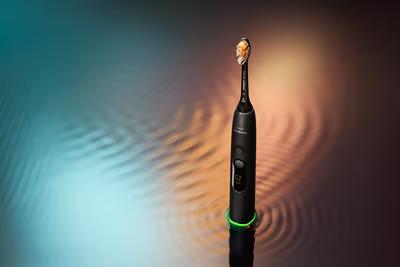
- Choose a soft-bristled toothbrush: Start with a soft-bristled manual toothbrush or an electric toothbrush designed to support gentle cleaning. The Philips Next-Generation DiamondClean 9900 Prestige, for example, is designed to gently remove up to 20x more plaque* and support up to 15x healthier gums**, while helping guide your brushing technique.
Its SenseIQ adaptive intensity automatically adapts the brushing intensity if you press too hard, while smart pressure feedback gives real-time guidance to help you avoid excess force. This can be useful if you tend to scrub or apply more pressure than needed.
- Position the brush at a 45° angle toward the gums: As the gentle brushing techniques already highlighted, this angle allows bristle tips to enter the shallow gum margin where plaque accumulates most. Flat brushing on tooth surfaces misses this critical area and is less effective for gum health.5
- Apply light pressure only: The bristles should bend slightly but not flatten against the tooth. Excess pressure does not improve cleaning and is a major cause of gum recession and enamel wear near the gumline.1
This is where smart feedback can help. The Philips Next-Generation DiamondClean 9000 offers smart pressure feedback, with real-time alerts if you apply too much pressure and post-brushing feedback through a 12-segment mouth map. This can help you become more aware of your brushing habits and adjust your technique over time.
- Use small, controlled vibrating or circular motions: Gentle micro-movements loosen plaque at the gum margin without scraping tissue.57 Large scrubbing strokes spread plaque and increase abrasion risk.
- Clean all tooth surfaces systematically: Brushes in the Next-Generation DiamondClean range (namely the Series 9000 and 9900 Prestige) can support this with smart coverage feedback, which guides you as you brush and provides post-brushing feedback through a 12-segment mouth map. This can make it easier to see which areas you may have missed.
- Brush for a full two minutes: Giving yourself adequate time to brush daily allows your chosen gentle brushing technique to work effectively without needing force. Many Sonicare brushes, including the Next-Generation DiamondClean range, feature built-in timers that help you brush for the recommended length of time.
The aim is not to brush harder, but to brush more consistently, comfortably and thoroughly.
Common mistakes that can harm gums
Even motivated brushers can often unknowingly damage gums. The most frequent errors include158:
- Aggressive scrubbing: Hard back-and-forth motions causes gum recession, enamel abrasion, and sensitivity.
- Incorrect brush angle: Flat brushing misses the gumline, allowing plaque buildup and inflammation.
- Tough bristles: Stiff bristles can cause abrasions and damage gum tissue.
- Brushing too fast: Rushed brushing leads to missed areas, excess pressure and poor technique.
- Brushing too frequently: Overbrushing can irritate gums and wear enamel.
FAQs: gentle brushing and gum protection
How can I brush teeth gently but still remove plaque?
Use a 45° angle at the gumline with light pressure and small vibrating motions.5 Successful plaque removal is dependent on contact with the gum margin, not on brushing with force.
What is the most gentle brushing technique?
The modified bass technique is one of the safest and most recommended methods for daily use. This is because it prioritises cleaning the sulcus.5 Ensure this method is paired with a soft-bristled toothbrush to avoid damage to the gumline.
Can brushing too hard cause permanent damage?
Yes. Excessive pressure when brushing can cause irreversible gum recession and enamel wear near the gumline.8
Brushing your teeth properly is not about force, it is about precision. By following gentle brushing tips and techniques, you can keep teeth clean without irritation or recession. When brushing feels gentle yet thorough, you are protecting both gums and enamel for the long term.
Got sensitive teeth? We have a whole guide on how to properly brush sensitive teeth, too.
*vs. manual toothbrush
**in Clean mode vs a manual toothbrush in 6 weeks
Recommended products


You might like
A Guide to Philips electric toothbrushes
Reading time: 5-7 min.

How long should you brush your teeth for?
Reading time: 4-6 min.

Are electric toothbrushes better?
Reading time: 4-6 min.

Teeth and gums hurt: Causes and treatments
Reading time: 4-6 min.

How to brush sensitive teeth
Reading time: 4-6 min.

What happens when you overbrush your teeth?
Reading time: 5-7 min.


Ill effects of improper oral hygeine procedure Read more
Chapter 8: oral hygiene, GOV.UK Read more
What's the right way to brush your teeth?, Harvard Health Read more
The Impact of Toothbrushing on Oral Health, Gingival Recession, and Tooth Wear, NIH Read more
Tooth brushing techniques, Periobasics Read more
How to brush, NHS Read more
Teeth cleaning guide, NHS Read more
Overbrushing: too much of a good thing, Delta Dental Read more