Keeping your teeth healthier for life
It wasn't so long ago that many people accepted tooth loss and dentures as a natural part of getting older. Today, that's simply not the case. People can have naturally beautiful and healthy teeth for life. But good oral healthcare is not just about how your teeth look. Maintaining healthy teeth and gums can have a direct impact on your overall health.
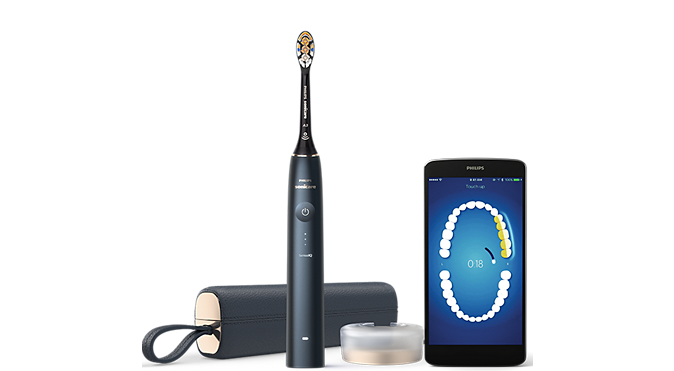
Philips Sonicare believes that good oral habits, learned early on, can, and will, help maintain your teeth for life. Whether your concern is healthier gums, whiter teeth or better plaque removal, you'll find a Sonicare product that delivers the oral care you want and need. Our line of toothbrushes and our new inter-dental cleaning product, Philips Sonicare AirFloss, are engineered with you in mind and backed by proven clinical results.
Here's what you should know about oral health and overall health:
- Healthy teeth and gums are very important.
- Dental problems can affect overall health in subtle ways. For instance, dental problems can cause headaches and face pain, affecting sleeping patterns, appetite and mood.
- Some conditions, such as diabetes, require that you pay special attention to your teeth and gums in order to better maintain your health.
- It's important to discuss your overall health status with your dentist. Similarly, tell your general practitioner about any dental problems you may be experiencing.
Sonicare makes good oral health easier to achieve than ever before. Invest in your well-being by making Sonicare an integral part of your healthy lifestyle.
Ensure you clean between your teeth every day.
Brushing twice a day and flossing once a day helps prevent tooth decay and gum disease. They work together as an unbeatable team—neither one works as well without the other.
Why can't I just brush without flossing?
If you brush your teeth but don't floss, you’re only getting 60% of your teeth clean. That’s because 40% of your tooth surfaces are actually in between your teeth where bits of food can easily get caught. So by not flossing, you're not reaching the bacteria that will build up, causing plaque, bad breath and infection.
Brushing and flossing helps prevent gum disease.
By making them both a regular part of your daily oral care routine, you help prevent tooth decay and gum disease that, if left untreated, ultimately damages gum tissue and the bones that support the teeth.
By keeping your mouth healthy, you also:
- Shorten the time you spend at your next dental visit
- Save money by avoiding costly procedures and fillings
- Keep your breath fresher
Four ways to remember to floss
- Use a calendar—a calendar in the bathroom can help you remember.
- Keep it close—put your flossing device, string floss or oral irrigator right next to your toothbrush, right where you can see it.
- Establish accountability—ask a friend or family member to remind you to floss every day.
- Print a reminder—put a sticky note on your bathroom mirror or medicine cabinet that says "remember to floss"!
Gum Disease
Gum Disease
Healthy gums do not bleed. If your gums bleed when you brush or floss then you have the first sign of gum disease. In this stage, the gums are red and swollen and bleed easily. This is called gingivitis and can be reversible through successful plaque removal, which can shrink the swollen gums and stop the bleeding.
If the plaque is not removed, the infection progresses and results in periodontal or gum disease. If untreated, the underlying gum attachment begins to break down, resulting in a periodontal pocket.
As the pockets become deeper, treatment is even more difficult. Brushing and flossing cannot reach plaque located in deep pockets. The remaining plaque bacteria continue to release toxins that further damage the bone and supporting structures of the teeth. And periodontal disease has a number of overall health implications, including a link to heart disease.
Signs of progressive gum disease are chronic bad breath and red, swollen, tender bleeding gums that have become loose and pull away from the teeth. Since the infection has spread to the underlying bone at this stage, the teeth become loose and there may be a change in the way the teeth fit together when biting.
The key to preventing gum disease is keeping the mouth clean and healthy with daily brushing and flossing to clean between the teeth. The Sonicare is a highly effective power toothbrush that has been clinically proven to significantly remove plaque and help reverse gingivitis and shrink periodontal pockets.
Your mouth, your heart
Heart disease
Just like a headache is often an indication of health problems elsewhere in the body, the status of our teeth and gums can indicate larger health conditions. Studies recently completed have suggested that a number of systemic diseases, including heart disease, have oral symptoms. For instance, a painful or tender jaw may be signalling an increased likelihood of a heart attack.
These studies also suggest that people who have gum disease can be at a higher risk of heart attacks. One theory is that this risk is due to the bacteria residing in the infected gums. Should it enter the bloodstream, it can affix itself to the lining of blood vessels, forming clots. These clots impede the efficiency of blood flow to the heart, increasing the chances of a heart attack.
This all means that those twice-a-year dental check-ups are more important than you may have thought. If you are at risk of heart disease, you already have a heart condition or you have any other larger health issues, it's especially important that you don't skip dental appointments. Also, let your dentist know about your health history and current conditions and any medications you may be taking. Additionally, if you have heart disease, it is vital that you brush and floss properly. Using a Sonicare can assure you that you are cleaning your teeth well—and at the same time, making a solid investment in your overall health.
Oral Care and the heart
If you have heart disease—or are at high risk of developing heart problems—you need to be aware of the link between oral health and systemic health.
Recent studies suggest that people with periodontal disease very often have heart disease as well. One theory is that this is due to oral bacteria present in gum disease, which can affect the heart if they enter the bloodstream.
While periodontal disease doesn't necessarily cause heart disease, it is nevertheless a good risk indicator.
Remember, the mouth is the gateway to the body. Take care of your gums and teeth and it can pay off. Whether you see it or not, good oral care can have an impact on the health of other areas of your body—including your heart.
If you have, or are at risk of getting, heart disease:
- Keep your mouth healthy with twice daily brushing, using a high-quality toothbrush and a fluoride toothpaste. For most people it is easier to remove plaque with a powerbrush, for example the Sonicare, than with a manual toothbrush. Floss daily as well.
- See your dentist and dental hygienist as directed and make sure they know about your heart condition and overall health.
- In turn, alert your doctor if you have periodontal disease.
- If you have gums that are red or irritated or that bleed easily, see your dentist immediately.
- Use medications, including antibiotics, exactly as instructed.
Diabetes and Oral Care
Diabetes and your Mouth
Diabetes
Diabetes, a disease where the body is unable to normally process glucose (sugar) to create energy, can have a far-reaching effect on overall health, oral health included. Hence, gum disease, which plagues even those without larger health issues, is much more likely to occur in diabetics.
Because one symptom of diabetes is a decreased flow of oxygen and nutrients to body tissues and slower removal of harmful waste, diabetics have to monitor their blood sugar levels. When diabetics' blood sugar is elevated, the sugar in their saliva increases and feeds the bacteria in the mouth. This is the perfect environment for gum disease.
And unfortunately, if the gum disease is allowed to progress into periodontal disease, diabetics can suffer more serious complications because of their inability to heal as effectively. Plus, periodontal disease can negatively impact the ability to control diabetes by increasing a person's insulin resistance.
The good news is that it doesn't have to be that way. If diabetics are vigilant about following their treatment plan to maintain a healthy blood sugar level, and they also floss and brush regularly, they can reduce their risk of gum disease. The Sonicare toothbrush is an ideal part of an oral care regime for diabetics, helping them to keep their teeth and gums—and themselves—healthy.
Diabetes and Oral Care
Diabetes has a whole host of severe implications for the body. One important and often overlooked implication involves gum disease. Gum disease, especially severe gum disease, is an uncomfortable and often hard-to-control oral care problem. In addition, gum disease can have implications on diabetics' overall health, making it harder to control their diabetes.
Diabetes on the rise
Unfortunately, the number of people with diabetes continues to rise dramatically. In 1985, an estimated 30 million people worldwide had diabetes. Just one decade later in 1995, the World Health Organisation and International Diabetes Foundation estimated that 135 million people suffered from diabetes. Today, it is estimated that over 177 million people worldwide have diabetes and a third to half remain undiagnosed.
There is also significant concern about the growth in prediabetes. Prediabetics have blood sugar levels that are higher than normal but not high enough to be considered as diabetics. Over 350 million people worldwide are believed to have prediabetes. Recent research shows that long-term damage to the body, especially the heart and circulatory system, may already be occurring during prediabetes.
How diabetes impacts oral health
People who do not properly treat their diabetes suffer from under-controlled blood sugar levels.
People with diabetes—particularly those who do not properly control their blood sugar levels—are susceptible to the development of gum disease and other oral infections. Nearly 64 percent of diabetics already have some level of gum disease.
Diabetes slows healing and increases the risk of infection. Therefore, in the event that oral surgery is required, diabetics, particularly those whose blood sugar is poorly controlled, are faced with a higher risk of complications.
The relationship between diabetes and gum disease is bi-directional. Diabetes can worsen gum disease and, at the same time, gum disease can make diabetes harder to control. For instance, once an oral infection or gum disease is present in a diabetic, the progression of the condition is typically much faster than for a non-diabetic.
As a diabetic or prediabetic, it is important that your oral routine includes the following:
- Thoroughly brush your teeth at least twice a day and floss every day. Since a Sonicare is clinically proven to reduce gingivitis, it's a perfect choice.
- If you smoke, it's important that you give up. If you are diabetic, smoking increases your risk of gum disease significantly.
- Visit your dentist every 6 months. Make sure you tell your dentist that you have diabetes.
- Also, contact the dentist if you notice soreness in your gums, dry mouth, white patches or a bad taste in your mouth.
- Maintaining control of your blood glucose is equally important for oral health as it is for your overall well-being.
Information for pregnant women
What Pregnant Women should know about oral care
Pregnancy
Because it impacts the health of the baby, pregnant women are encouraged to pay special attention to all areas of their health. But many women are not aware that hormonal changes during pregnancy can increase the chances of developing gum disease, making it vital that they are especially vigilant about their oral hygiene during pregnancy. This means brushing and flossing every day, eating a healthy, balanced diet and making regular visits to the dentist.
In addition, many women develop some form of gum disease during pregnancy due to associated elevated hormone levels.
So there are plenty of reasons to take care of your teeth and gums if you are pregnant or planning to get pregnant. If you have any signs of gum disease, such as tender and bleeding gums, especially when you brush, or bad breath, see your dentist straight away. In any case, it is a good idea to have a complete dental check-up early in your pregnancy so that you can avoid the need to have dental procedures performed in your second or third trimester.
Remember, if you begin to take care of your mouth immediately, you can decrease your vulnerability to gum disease. Replace starchy or sugary snacks with crunchy fruits and vegetables and brush after eating. Frequent flossing, along with brushing with a Sonicare, can also help counteract the dental challenges that you may encounter during pregnancy.
Pregnancy and Oral Care
There is plenty to think about during pregnancy. For most women, maintaining good health is a primary goal. In order to achieve it, pregnant women are encouraged to eat more healthily, avoid smoking and drinking and incorporate moderate exercise into their day. But there needs to be another component to their daily health routine—superior oral care.
Many expectant mothers may simply believe that pregnancy leads to a deterioration of their oral health. But with a bit of extra attention, good oral health can be maintained all through the pregnancy. More importantly, maintaining healthy gums may be linked to delivering a healthy baby.
Many women experience more bleeding and swollen gums during pregnancy. These gum problems develop during the second trimester and are due to an increase in oestrogen and progesterone that stimulates blood flow. The resulting changes make it easier for plaque to develop on the teeth, which, as a result, will further enhance gingival inflammation and its clinical signs. However, a thorough oral care routine, as recommended by dental professionals, can help pregnant women keep their teeth free of plaque and offset the risk of gum disease.
An Oral Routine for Pregnancy
During pregnancy, daily brushing and flossing are important. Some women are very tired and may ignore the significance of their daily oral hygiene routines. Knowing how important oral hygiene is may provide the incentive needed. It has been reported that pregnant women can experience nausea during tooth brushing. If this is the case, using clinically proven anti-plaque and fluoride mouthwashes is recommended. And continue flossing, doing it more often to compensate.
Also, understand that eating frequently throughout the day, which many pregnant women find themselves doing to ease nausea, isn't in the best interests of your teeth, especially if you are eating starchy, sticky or sugary snacks, such as fizzy drinks, crackers and boiled sweets. These foods generate more plaque than others and can lead to cavities. If you do need to snack, choose crunchy vegetables or fruit. They increase the flow of saliva, which will neutralise the acid plaque produced from snacks including carbohydrates. Also, try to brush after snacks, or at least rinse the mouth with water.
Make regular dental appointments a priority, just as you would an appointment with the obstetrician. When you go for dental care, make sure you inform your dentist and/or dental hygienist that you are pregnant. If gum disease develops, indicated by sore or inflamed gums, see a dentist immediately.
Remember, oral care is always important, but it's even more of a priority during pregnancy. Cultivate and maintain good habits and gum disease can be prevented, giving you one less thing to worry about during pregnancy.
Gateway to your body
The Mouth is the Gateway to the Body
Bad Breath
Research has shown that the major source of bad breath, also known as malodour and halitosis, is bacteria found in the mouth and the resulting volatile-sulphur compounds. Causes of increased volatile-sulphur compound activity include stress, gum disease, food debris and dry mouth. Other factors associated with bad breath are diabetes, smoking, mouth breathing, nasal conditions, allergies and certain foods.
Dry mouth is also a contributing factor to bad breath due to the absence of saliva "washing" away food debris and bacteria. The stagnant debris and bacteria left in the mouth for periods of time creates an unpleasant odour.
A doctor and/or dental professional may be able to pinpoint the source of bad breath. Whatever the cause though, meticulous daily tooth brushing and flossing to remove the bacteria is crucial to keeping bad breath under control.
The Sonicare toothbrush is an effective way to aid in the removal of bacteria. It can also be used to clean the back portion of the tongue, an area prone to bacteria growth. This area should be cleaned twice a day with either your Sonicare toothbrush or a tongue cleaner.
Dental Stains
Not all stains are caused by extrinsic factors such as tobacco, coffee, tea or foods that contain a lot of spices. Some stains are internal. They occur inside the tooth. These stains are mainly caused by trauma to a tooth, medications with tetracycline content taken during active tooth formation at a younger age or excessive intake of fluoride. Intrinsic stains will require professional treatment, and cannot be removed by normal brushing or flossing. The dental professional will either apply bleaching for the discoloured areas, or prepare a jacket crown to cover them.
On the other hand, the degree to which external staining occurs is sometimes an indicator of poor oral hygiene or rough surface texture of the teeth. Any surface of the tooth that is rough and improperly cleaned will become stained much more rapidly than a clean, smooth surface.
Meticulous daily tooth brushing is of critical importance to your oral hygiene and the prevention of further stains. Sonicare creates dynamic cleaning action. The Sonicare toothbrush is so effective that it is clinically proven to significantly reduce coffee, tea and tobacco stains and provides you with naturally whiter teeth in 28 days — or your money back. Therefore, a Sonicare toothbrush is an effective tool to reduce oral staining.
Braces
Braces, one of the most common orthodontic treatments, are used to create a more even bite and better jaw alignment and function. The correction of a bad bite can improve chewing ability and straightening teeth makes them easier to clean, which can reduce the risk of gum disease.
Orthodontic treatment can greatly increase self-esteem by improving the appearance of teeth, smile and face. Orthodontic braces work by slowly and gently applying pressure to the teeth and moving them into new positions. The bone that surrounds and holds the teeth in the jaw is flexible and will yield when pressure is applied.
During orthodontic treatment, it is a challenge to keep teeth and gums clean and healthy. Braces create a significant challenge when brushing and flossing around brackets, wires and bands. If plaque collects on the teeth and gums, it may cause gum inflammation, bleeding, cavities or white spots. After treatment is complete, and the orthodontic appliances are removed, these problems may detract from the aesthetic results.
Tooth Sensitivity
Tooth sensitivity has been identified as a very common problem. Approximately one in every four adults has one or more sensitive teeth.
Sensitivity can be described as a short, sharp pain triggered by a stimulus such as cold or hot foods/beverages, sweet, sour or acidic foods and even brushing and flossing.
People at the highest risk of dentinal sensitivity are the aggressive brushers. These people strip the gum tissue away and remove the underlying layer of the tooth root surface (the cementum). Because the cementum is very thin, it doesn't take much pressure to wear away this surface and expose the inner substance, dentine.
Dentine contains numerous tubules (tiny tubes) filled with fluid that extend from the pulp chamber in the centre of the tooth to the outer surface of the tooth. The pulp chamber houses the nerves that signal the pain response. So when a stimulus such as cold air or drink comes into contact with the open and exposed tubule on the outside of the tooth, it creates a pressure change in the fluid in the tubules. This pressure change then triggers the nerves in the pulp chamber, resulting in a short, sharp pain response, known as tooth sensitivity.
Prevention begins with minimising the risk of exposing dentinal tubules by brushing gently and using a toothbrush that will be soft on your teeth and gums.
Because of its gentle cleaning action, a Sonicare toothbrush is ideal for patients who have sensitive teeth. With extra-soft nylon bristles and an extra-wide sweeping motion, it is clinically proven to be gentle yet effective at keeping your mouth clean and healthy even if your teeth are sensitive.
Veneers
Porcelain veneers or laminates are used to cosmetically enhance the appearance of front teeth. These thin porcelain shells are bonded to the surfaces of the teeth. Veneers are helpful for closing spaces between teeth, correcting the shape of a tooth, repairing a broken or chipped tooth or improving the appearance of badly stained teeth.
Another cosmetic treatment is direct composite bonding, which uses a plastic material available in many shades, making it possible to closely match your natural tooth colour.
Usually the edges of veneers and bonding are at the gum line. For optimum gum health and restoration longevity, it is imperative to keep the gum line clean and healthy. With its dynamic cleaning action, the Sonicare toothbrush is an ideal way for patients with veneers or bonding to maintain the beauty of their improved smiles.
Find the right product for you