Eco-friendly oral care and sustainable dental care in the bathroom
By Philips
14/04/2025
4-6 min. read

At a glance
- Oral health and the environment
- Eco-friendly dental care: Manual vs. electric toothbrushes
- Eco dental care: How to have a more sustainable oral care routine
When you’re in the middle of brushing your teeth, you’ve likely never stopped to consider the possible link between oral health and the environment. However, approximately 27 tonnes of plastic waste are due to dental waste in the UK alone.1 Therefore, it is important to do our part to practice a more eco way of dental care and sustainable oral care as even small changes can make a big difference to our planet in the long term.
In this guide, we’ll explore how to be more environmentally friendly at home, especially in the bathroom. One way to do this is to switch to sustainable oral health alternatives, such as refillable toothpaste, sustainable electric toothbrush heads, or reduced water usage – all without compromising on quality oral hygiene.
Oral health and the environment
Unfortunately, many of the oral health products we use daily have been designed for practicality and convenience, without considering their environmental implications. When comparing oral health and the environment, some of the biggest concerns include:
- Plastic waste: Daily consumption of essential oral health products such as toothbrushes and toothpaste can produce approximately 1kg of plastic waste in a 2-person household (excluding packaging).2
- Water waste: According to the Water Regulation Advisory Scheme (WRAS), 2 in 10 Britons leave the tap running while brushing their teeth; this contributes to 6 litres of water waste per minute.3
If you are concerned about dental waste and want to learn how to be sustainable at home and in the bathroom, there are plenty of eco-friendly oral care solutions you can try. We’ll explore these in the next section.
Eco-friendly dental care: Manual vs. electric toothbrushes
Looking to build a more sustainable beauty routine for your oral health? Let’s break down the environmental impact of manual vs electric toothbrushes:
- Manual toothbrushes:
One of the most common types of dental waste is the disposal of plastic toothbrushes. Traditional toothbrushes are often made from non-recyclable and non-biodegradable thermoplastic materials that have been found to contribute to polluting our oceans and landfill sites.4
Fortunately, we are starting to see more sustainable oral care alternatives on the market, such as manual toothbrushes made from bamboo plants – bamboo is not only biodegradable but is also a much more environmentally sustainable option.5 Other plastic alternatives include:- Charcoal-infused bristles which are typically made from bamboo or wood handles
- Wood handles that are sourced from wood such as beech wood
- Cornstarch-based plastic is a plant-based alternative that decomposes faster than normal plastic
- Recycled plastic from repurposed plastic
- Electric toothbrushes:
Do you prefer electric toothbrushes? While electric-powered toothbrushes may have a larger environmental impact than bamboo toothbrushes, they can still be a more sustainable oral care choice for reducing waste if you choose the most eco-friendly options.5
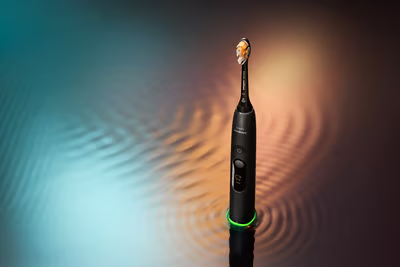
For instance, opting for a sustainable electric toothbrush that uses replaceable heads, such as the Philips Sonicare DiamondClean Prestige can help you achieve optimal oral health while still looking after the planet. With the DiamondClean Prestige, you can easily look after your toothbrush by simply replacing the bristles once they start to wear and recycling your sustainable toothbrush heads.
Another option is to choose sustainable toothbrush heads like the Philips Sonicare brush heads. Not only are Philips brush heads always replaceable, the Sonicare high-quality brush heads now come in paper-based packaging, allowing you to maintain an exceptionally fresh and clean mouth while also reducing plastic waste.
Eco dental care: How to have a more sustainable oral care routine
Choosing the right toothbrush and toothbrush heads is essential, but there are other small changes you can make to create a more sustainable oral care routine.
- Using an eco-friendly toothpaste: Seek out products made with eco-friendly packaging and use natural, fluoride-free ingredients
- Refillable toothpastes: Refillable toothpastes have multi-use purposes, reducing plastic waste
- Eco-friendly floss: A plastic-free alternative such as silk, bamboo or corn-based floss
- Eco-friendly mouthwash tablets: Dissolvable and made from natural ingredients, mouthwash tablets can be a better alternative to mouthwash stored in plastic bottles
- Avoid leaving the tap on when brushing: Reduce unnecessary water waste by only keeping the tap on when in use
Good oral hygiene does not need to be sacrificed to build a more sustainable dental care routine. Instead, it is about making a holistic choice that benefits both you and the planet.
Recommended products
- HX9992/11HX999C
- Up to 20x more plaque removal
- Up to 15 x healthier gums
- SenseIQ technology: Adapts to you in real time when you brush too hard
- Charger base + Prestige USB charging case
- Personalised guidance from the Philips Sonicare app
- HX9992/12HX999B
- Up to 20x more plaque removal
- Up to 15 x healthier gums
- SenseIQ technology: Adapts to you in real time when you brush too hard
- Charger base + Prestige USB charging case
- Personalised guidance from the Philips Sonicare app
- HX7429/02HX742B
- 10 x more plaque removal*
- Up to 7x healthier gums**
- Next-Generation Sonicare Technology
- Visual Pressure Sensor
- 4 brush modes, 3 intensities


You might like
A Guide to Philips electric toothbrushes
Reading time: 5-7 min.

Gentle brushing techniques
Reading time: 5-8 min.

How long should you brush your teeth for?
Reading time: 4-6 min.

Are electric toothbrushes better?
Reading time: 4-6 min.

Teeth and gums hurt: Causes and treatments
Reading time: 4-6 min.

How to brush sensitive teeth
Reading time: 4-6 min.


The environmental consequences of oral healthcare provision by the dental team, Science Direct Read more
The global burden of plastics in oral health: prospects for circularity, sustainable materials development and practice, Royal Society of Chemistry Read more
80% of Brits wasting water regularly, Water Regs UK Read more
Life cycle assessment of manual toothbrush materials, Springer Read more
Combining evidence-based healthcare with environmental sustainability: using the toothbrush as a model, British Dental Journal Read more